News
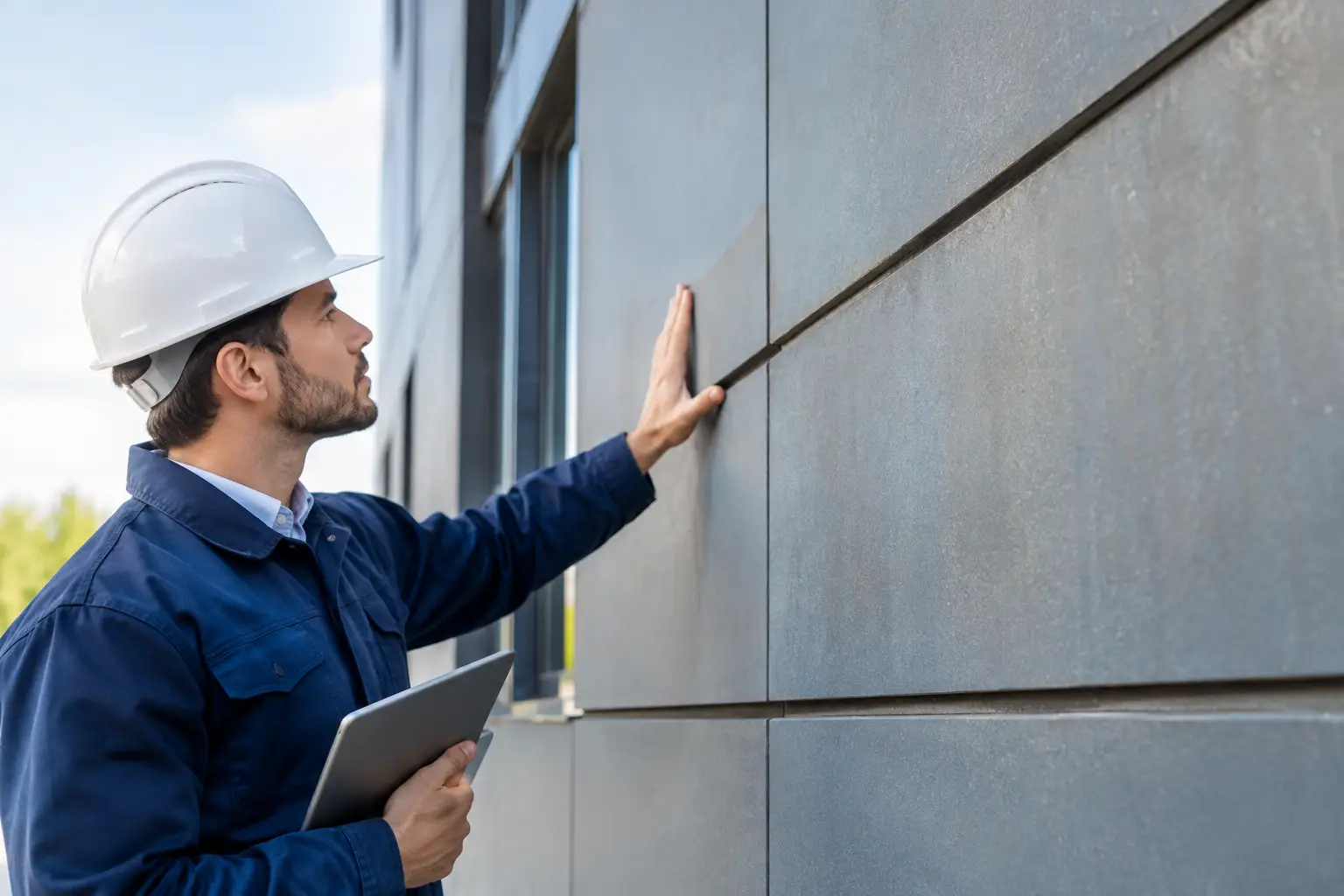
A facade rarely fails because one panel was specified incorrectly. Corrosion typically begins at an overlooked interface: a cut edge that remains wet, an incompatible fastener, a sealant that traps water, or a substituted accessory that was never reviewed as part of the wall assembly. For project teams asking how to prevent facade corrosion, the answer is not simply selecting a more expensive metal. It is controlling moisture, material compatibility, fabrication quality, and maintenance across the full service life of the building envelope.
For high-rise, coastal, industrial, and high-traffic commercial projects, this approach must begin before the first panel is fabricated. The visible finish is only one part of a durable facade. The concealed clips, flashings, joints, fasteners, transitions, and drainage paths often determine whether that finish performs as specified.
1. Start With the Actual Corrosion Exposure
A metal facade should be specified for its environment, not only for its appearance. Coastal chlorides, urban pollutants, high humidity, freeze-thaw cycling, deicing salts, and industrial emissions create very different corrosion risks. A dry inland office facade may perform well with a standard exterior finish, while a waterfront hotel or transit facility may require higher-performance coatings, more resistant fasteners, and more aggressive detailing.
Orientation matters as well. North-facing elevations can dry slowly. Recessed areas beneath projections may receive limited rain washing but remain exposed to airborne contaminants. Lower levels near landscaping, roadways, or loading areas can be subjected to splashback, salts, and physical abrasion. A facade risk review should identify these zones rather than applying one assumption to every elevation.
This is also where the design team should distinguish cosmetic weathering from structural or functional corrosion. Some metals are selected for a controlled patina, while painted aluminum composite material, solid aluminum, galvanized steel, or stainless steel systems are generally expected to retain a defined architectural appearance. The intended visual outcome must be clear in the specification.
2. Select Compatible Metals and Accessories
Galvanic corrosion occurs when dissimilar metals are electrically connected in the presence of an electrolyte, usually water containing dissolved salts or pollutants. The more active metal can corrode at an accelerated rate. This risk is especially relevant at panel returns, clips, fasteners, flashings, penetrations, and rooftop transitions.
Compatibility must be evaluated as a system. An aluminum panel can be durable in exterior service, yet its performance can be compromised by direct contact with an incompatible metal, trapped moisture, or a poorly selected fastener. Isolating materials with nonconductive pads, tapes, washers, or approved coatings can interrupt the galvanic path where direct contact cannot be avoided.
Fastener selection deserves particular scrutiny. Stainless steel fasteners are common, but grade, finish, location, and contact conditions still matter. A concealed fastener that remains wet inside a joint faces a different exposure than an accessible fastener on a well-drained rainscreen. The fabricator should use the system manufacturer’s approved fastening schedule rather than making field substitutions based on availability.
3. Specify a Finish Built for the Site
Protective finishes are a primary corrosion-control layer, but not all coating systems offer the same resistance to ultraviolet exposure, moisture, chemicals, abrasion, and salt. Coil-coated aluminum panels provide consistent factory-applied coverage, while custom paint systems can address specific design and exposure requirements. The correct selection depends on the substrate, color, gloss level, geographic location, cleaning plan, and warranty criteria.
For demanding exterior applications, project specifications often reference recognized high-performance coating benchmarks such as AAMA 2605. That does not mean every facade requires the same coating class. A highly exposed coastal tower, for example, may justify more stringent finish requirements than a sheltered inland installation. What matters is that the selected finish, pretreatment, substrate, edge condition, and fabrication process are evaluated together.
Dark colors require additional attention. They can produce higher surface temperatures, increasing movement and stressing joints, sealants, and coatings. Metallic, textured, and custom finishes may also have specific fabrication or cleaning limitations. Confirm these requirements before approving mockups and production samples.
4. Design Drainage Into Every Cavity and Joint
Water is not a failure by itself. Water that enters a cavity and cannot leave is the problem. Pressure-equalized rainscreen systems are designed on the assumption that some water may bypass the outer face of the cladding. The assembly must therefore provide drainage, ventilation, and drying capacity behind the panels.
Horizontal surfaces, panel returns, sill conditions, parapets, and transitions around windows are common locations for water retention. Use properly sloped flashings, end dams where required, drip edges, weeps, and open drainage paths that remain functional after installation. Avoid relying on sealant alone as the only line of defense in locations where standing water is likely.
Joint geometry also affects performance. Very tight cavities may hold moisture and debris, while poorly protected openings can allow excessive water entry. The right detail depends on the cladding system, wind exposure, substrate, insulation arrangement, and air-water barrier design. Review these conditions at full scale, not only in plan details.
How to Prevent Facade Corrosion at Panel Edges
Panel edges and fabricated returns require disciplined handling because they are frequently cut, routed, folded, or drilled after the factory finish is applied. Exposed substrate, damaged coating, metal burrs, and unsealed cut-outs can create local initiation points for corrosion or staining.
Fabrication procedures should define clean cutting methods, edge conditioning, protective-film removal timing, and touch-up limitations. Touch-up paint can improve the appearance of small incidental damage, but it is not a substitute for factory-applied coating quality or correct fabrication. Large damaged areas, deep scratches, or distorted edges should be assessed before installation rather than concealed with field-applied material.
Openings for louvers, signage, lighting, or mechanical penetrations need the same attention as panel perimeters. Each penetration should shed water, avoid direct incompatible-metal contact, and preserve the continuity of the drainage plane behind the cladding.
5. Control Moisture at Transitions, Not Just Panel Faces
Facade corrosion often originates where one trade’s scope ends and another begins. Roof edges, windows, curtain wall interfaces, stone bases, canopies, soffits, expansion joints, and equipment supports all introduce transitions that must accommodate movement and direct water outward.
Coordination drawings should identify the sequence of flashings, membranes, closure pieces, clips, and panel components. If a flashing cannot be installed after the panel is fixed, the condition must be resolved before fabrication. Field-applied fixes can create concealed water traps that are difficult to inspect and expensive to correct.
Sealants are necessary at many interfaces, but they require compatible substrates, correct joint dimensions, backer material, surface preparation, and movement capacity. A sealant joint that is too thin, improperly bonded, or placed where it blocks drainage can fail early and retain water against the metal.
6. Protect the Facade During Storage and Installation
Even a correctly specified facade can be compromised before handover. Panels stored directly on wet ground, exposed to prolonged trapped condensation, or stacked without ventilation can develop staining and finish damage. Materials should be kept dry, elevated, covered in a way that permits airflow, and handled with clean gloves and non-marking equipment.
Installation quality is equally critical. Remove metal shavings, drilling debris, adhesive residues, and construction contaminants promptly. Ferrous particles left on aluminum or coated surfaces can rust and create misleading stains. Do not use unapproved cleaners, abrasive pads, or solvent systems that may attack the finish.
A documented field quality-control process should verify panel alignment, fastener type, clip placement, isolation components, flashing laps, weep continuity, and protection of finished surfaces. Mockups are valuable because they expose installation conflicts before they are repeated across thousands of square feet.
7. Prevent Unapproved Material Substitutions
Corrosion performance is often weakened by seemingly minor procurement changes: a different fastener alloy, alternate tape, lower-grade flashing, non-approved sealant, or a substituted panel accessory. These changes may appear equivalent on a line-item basis while altering the chemistry, drainage, movement capacity, or durability of the complete system.
Require submittals to identify all exposed and concealed metal components, their finishes, and their intended contact conditions. Review substitutions through the facade consultant, system supplier, and relevant trades. On code-conscious projects, this discipline also supports consistent alignment with tested wall-assembly requirements and documented fire-performance criteria.
Manufacturers with integrated control over coil coating, core production, bonding, and panel fabrication can provide stronger consistency across major material inputs. For complex projects, Alubond’s broad range of fire-rated panels, metal skins, and custom finishes allows the design team to align visual intent with project-specific performance demands without treating facade materials as isolated commodities.
8. Establish Cleaning and Inspection as Operating Requirements
A facade maintenance plan should be issued before occupancy, not created after visible deterioration appears. Periodic rinsing and approved cleaning can remove salts, pollutants, and deposits that hold moisture against the surface. The frequency depends on exposure: coastal, industrial, and dense urban sites generally need more attention than clean inland locations.
Inspections should look beyond the panel face. Review joints for failed sealant, blocked weeps, open flashings, staining below penetrations, loose fasteners, coating damage, and debris accumulation at horizontal ledges. Early intervention is less disruptive than replacing affected panels or opening large portions of the wall.
Cleaning methods must respect the finish. Use manufacturer-approved detergents, soft tools, and controlled rinsing. Avoid strong alkalis, abrasive compounds, and cleaners that can leave residues or alter gloss. Where corrosion or staining is discovered, determine the source before treating the symptom. Repainting a stain without correcting a leaking joint only delays the next failure.
A durable facade is the result of disciplined decisions repeated from design development through occupancy. Specify the exposure correctly, maintain compatible materials, give water a defined path out of the assembly, and preserve those details during fabrication and maintenance. That is how architectural metal retains both its engineered performance and its intended visual authority over decades of service.
RECENT POSTS

October 14 , 2026

October 12 , 2026

October 10 , 2026

October 8 , 2026

October 6 , 2026

October 4 , 2026

October 2 , 2026

September 30 , 2026

September 28 , 2026

September 26 , 2026

September 24 , 2026

September 22 , 2026

September 20 , 2026

September 18 , 2026

September 16 , 2026

September 14 , 2026

September 12 , 2026

September 10 , 2026

September 8 , 2026

September 6 , 2026

September 4 , 2026

September 2 , 2026

August 31 , 2026

August 29 , 2026

August 27 , 2026

August 25 , 2026

August 23 , 2026

August 21 , 2026

August 19 , 2026

August 17 , 2026

August 15 , 2026

August 13 , 2026

August 12 , 2026

August 12 , 2026

August 12 , 2026

August 12 , 2026

August 12 , 2026

August 12 , 2026

August 12 , 2026

August 12 , 2026

November 2 , 2022

April 26 , 2022

